
SPINAL DECOMPRESSION.
OUR METHODS IN HEALING
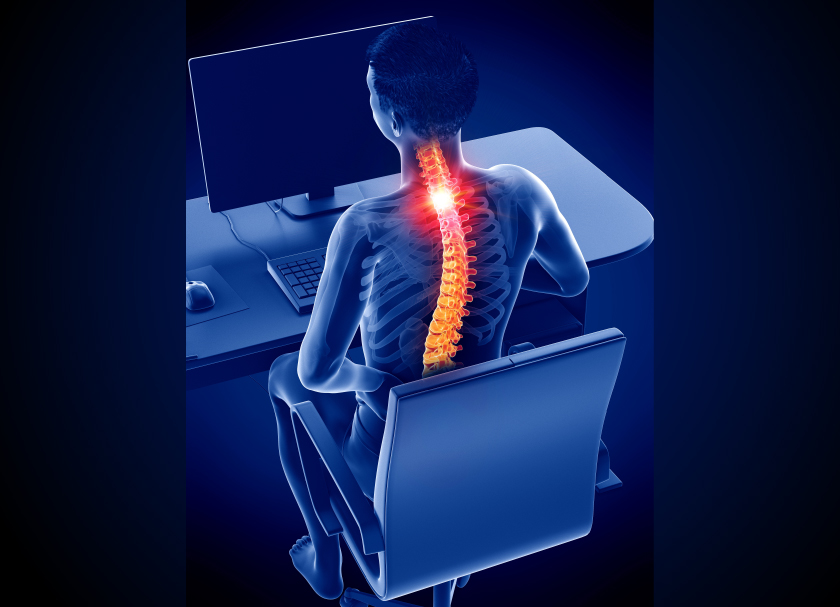
Spinal Decompression Therapy involves stretching the spine, using a traction table or similar motorized device, to relieve back pain and/or leg pain. This procedure is called nonsurgical decompression therapy (as opposed to surgical spinal decompression, such as laminectomy and microdiscectomy).

WHY SHOULD I HAVE SERVICE?
The short- and long-term goals of physical therapy for back pain typically include the following: Decrease painful symptoms in the lower back and/or leg. Improve low back function to tolerate daily activities as independently as possible. Increase the spine’s flexibility and improve its range of motion.
WHAT TO EXPECT?
The short- and long-term goals of physical therapy for back pain typically include the following: Decrease painful symptoms in the lower back and/or leg. Improve low back function to tolerate daily activities as independently as possible. Increase the spine’s flexibility and improve its range of motion.
WHAT THERAPY IS NEEDED ?
After the treatment is complete, you may be given some simple exercises or stretches to do at home to help maintain the benefits of the treatment. You may also be advised to avoid certain activities or movements for some time to allow your spine to fully heal.
WHAT ARE THE COMMON CONDITIONS ?
Medications can cause allergic reactions, and alternative therapies may not work. Decompression surgical options can cause infection, bleeding, blood clots, or nerve or tissue damage.

TYPES:
Doctors and researchers describe the types of back pain in the following ways:
- Acute back pain happens suddenly and usually lasts a few days to a few weeks.
- Subacute back pain can come on suddenly or over time and lasts 4 to 12 weeks.
- Chronic back pain may come on quickly or slowly and lasts longer than 12 weeks and occurs daily.
CAUSES AND SYMPTOMS
can range from local pain in a specific spot to generalized pain spreading all over the back. Sometimes the pain radiates away from the back to other areas of your body, such as the buttocks, legs, or abdomen. The intensity of back pain varies for each person. Depending on the type, causes, and location of your back pain, you may experience:
- Increasing pain with lifting and bending.
- Worsening pain when resting, sitting, or standing.
- Pain that radiates away from the back into the buttocks, leg, or hip.
- Numbness or weakness in your legs or feet.
You should see a doctor if your pain does not improve after a few weeks or if any of the following symptoms happen with your back pain:

- Numbness and tingling.
- Pain along with:
- Trouble urinating.
- Weakness, pain, or numbness in your legs.
- Fever.
- Weight loss that you did not intend.
TREATMENT
The table or device will be programmed to apply gentle, intermittent traction to your spine. The traction will gradually increase in intensity over time, and will then be released. This cycle will be repeated several times during the treatment session.
POST TREATMENT
After the treatment, you may be given ice or heat therapy to help reduce any discomfort or inflammation. You may also be given exercises or stretches to do at home to help maintain the benefits of the treatment.
FREQUENTLY ASK QUESTIONS
If I undergo Spinal Decompression treatment, how long does it take to see the results?
Most patients report a reduction in pain after the first few sessions. Typically, significant improvement is obtained by the second week of treatment.
How long does it take to complete Spinal Decompression treatment?
Patients remain on the system for 30-45 minutes, daily for the first 2 weeks, three times a week for the following 2 weeks, and followed up by two times a week for the last 2 weeks.
Are there any side effects to the treatment?
Most patients do not experience any side effects. Though, there have been some mild cases of muscle spasms for a short period.
Can Spinal Decompression be used for patients that have had spinal surgery?
In most cases, Spinal Decompression treatment is not contra-indicated for patients that have had spinal surgery. Many patients have found success with Spinal Decompression after a failed back surgery.
READY TO GET STARTED?
We have made it easy to request your first appointment with our doctors.